Top Dog Training: Expert Techniques for a Well-Behaved Canine
Positive Reinforcement Training
Positive Reinforcement Training: The Powerful Path to a Well Behaved Dog
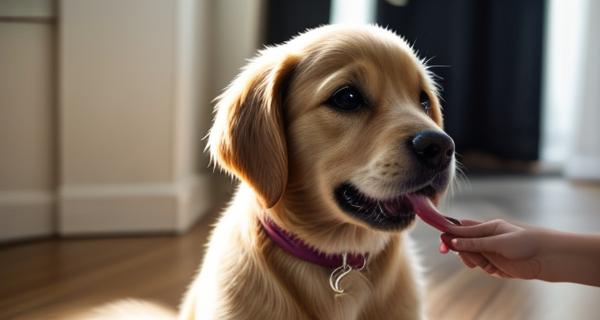
Dominance based methodsare fading fast—today’s most effective dog owners are turning to positive reinforcement training, and for good reason. At its core, top dog training focuses on building trust, clarity, and enthusiasm through rewards—not pressure. This approach not only shapes behavior but strengthens the bond between pet and owner, turning stressful moments into joyful connections. Unlike punishment driven styles, positive reinforcement trains with consistency, timing, and genuine encouragement—celebrating every small success to create lasting change.
The secret lies in understanding your dog’s perspective. Dogs thrive when they feel safe, motivated, and understood. By rewarding desired behaviors with treats, praise, or play, top dog training turns obedience into a game—one that keeps your canine companion eager to learn. Whether teaching basic commands like sit and stay or curbing unwanted habits, positive reinforcement adapts seamlessly beyond basic tricks; it nurtures emotional intelligence in dogs while empowering owners to confidently guide their pup’s growth.
This method isn’t just gentle—it’s scientifically backed. Studies show reward based training reduces anxiety, aggression, and fear in pets, fostering a confident and respectful relationship. Plus, positive reinforcement fits effortlessly into modern lifestyles: short, engaging sessions keep both dog and owner focused and happy. For the busy pet parent, it means progress without frustration—consistent, step by step wins that build lasting reliability.
Beyond obedience, top dog training with positive reinforcement cultivates a mindful connection. It encourages owners to observe body language, stay patient, and respond with empathy—key for raising not just well trained dogs, but compassionate companions. In a world of quick fixes, positive reinforcement stands out as a thoughtful choice that honors both the dog’s individuality and the shared journey of learning.
Embrace positiverinforcement training today—watch your canine partner transform from scattered behavior into confident, joyful partnership. With consistency, creativity, and compassion, top dog training becomes less about discipline and more about delight—because every reward is a step toward a stronger bond. For sustainable, stress free success in raising a disciplined dog, choose positive reinforcement: the future of smarter, kinder training starts here.
Basic Obedience Commands
Top Dog Training: Mastering Basic Obedience Commands for a Harmonious Partnership
Every great dog owner journey begins with top dog training—foundation that transforms chaos into connection. At the core of this transformation lie basic obedience commands, unlocking clarity, safety, and trust between you and your canine companion. Whether you’re teaching “sit,” “stay,” or “come,” these essential skills form the building blocks for a well behaved dog and a confident handler.
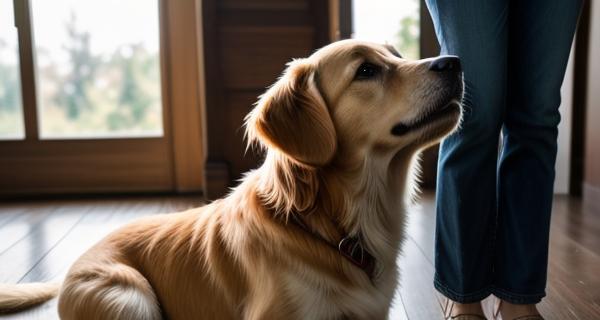
Top dog training isn’t just about commanding attention—it’s about building consistency and mutual respect. Starting with the seat command, place your hand gently on your thigh, say “sit” firmly but cheerfully, then reward with praise or a treat as soon as their hips lower. Repetition strengthens neural pathways, making this simple cue a lifeline in distracting environments. For the stay, begin by asking “stay,” take a step back, and reinforce with an enthusiastic “good stayed!” before returning—never punish mistakes, only guide with calm encouragement.
Beyond basic actions, advanced commands like “heel” for walking discipline or “leave it” to resist temptation expand your dog’s impulse control and patience. These habits reduce behavior problems and strengthen safety in real world scenarios, from busy streets to unexpected triggers. Top dog training creates a language of predictability; when your dog understands what’s expected, stress lowers—and bonding deepens.
Modern learners crave clarity and confidence, and top dog training delivers both. Using positive reinforcement—never force or fear—these commands nurture trust beyond compliance, turning every “sit” into a silent promise of cooperation. Digital communities thrive on practical guides like this, sharing tips that make top dog training accessible whether you’re at home, in the park, or traveling with your dog.
Remember: success begins small. One command mastered is a step toward lifelong harmony. Invest time daily, stay patient, and embrace progress over perfection. For those committed to smart, compassionate training, top dog training isn’t just skill building—it’s the heart of responsible pet ownership. Let your commitment shine through consistent, love driven communication. Your dog doesn’t need an extraordinary talent—just a clear voice, kindness, and the will to train together.
With every “stay” reinforced and every “come” celebrated, you’re not just teaching commands—you’re building trust, safety, and joy, one paw at a time.
Addressing Problem Behaviors
Top Dog Training: Expert Techniques for a Well Behaved Canine
When your loyal pup turns from proud companion into problem behavior – barking nonstop, jumping high, or ignoring commands — it’s not just frustrating; it’s a sign of unmet needs in training and connection. Top dog training isn’t about strict dominance—it’s about building trust, clarity, and mutual respect through targeted techniques that shape desired behaviors and gently reshape unwanted ones. In this guide, we uncover proven strategies for addressing problem behaviors that turn training sessions from stressful to successful, so your dog becomes a confident, calm, and cuddly part of your daily life.
From excessive barking rooted in anxiety or territorial instincts, to jumping at the door fueled by pent up energy, problem behaviors are communication—your dog is telling you something needs attention. Top dog training begins with observation: identify triggers, read body language, and determine whether food, attention, fear, or boredom drives the unwanted action. That insight powers smarter interventions.
Start with foundational commands: “sit,” “stay,” and “leave it.” These aren’t just tricks—they’re building blocks that establish control and focus. For reactive barking, use desensitization paired with positive reinforcement: gradually expose your dog to stimuli at low intensity while rewarding calm behavior. Over time, increase exposure slowly while maintaining a reward rich environment so your pup learns barking no longer gets the “payoff” it seeks.
Jumping down from excitement? Redirect energy with structured games like “four on the ground”—reward steady paws over lively jumps. Pulling on walks? Implement an “easy sit” protocol: stop moving forward when tension builds, wait for a calm pause before continuing, then celebrate patience. Consistency here reinforces that good behavior leads to freedom and attention.
For food guarding or resource aggression, never punish—use careful desensitization combined with positive reinforcements, gradually increasing trust around shared spaces without threat. Address separation anxiety with build up routines: feed meals away from your presence, leave comforting items like a worn shirt on, and return slowly to avoid reinforcing distress.
Top dog training combines empathy with precision. Use consistent cues, timed rewards, and clear boundaries so every “yes” builds confidence. Pair verbal guidance with calm body language—dogs mirror their pack leader’s energy, so projecting patience creates a secure environment where learning thrives. Incorporate interactive toys, puzzle feeders, and short training bursts (5–10 minutes) to maintain focus without overwhelm.
The truth is, problem behaviors rarely vanish overnight—but with intention, awareness, and the right tools in top dog training, lasting change is achievable. Each small progress reinforces your bond and shapes a well balanced canine companion ready to thrive in any setting. Prioritize positive reinforcement over punishment; use timing and repetition to rewire habits—because every correction misses opportunity, but every reward builds a lifelong connection. Start today: observe, respond with compassion, and let top dog training transform challenges into moments of growth—for both you and your faithful friend.
Canine Behavior Modification
Top Dog Training: Expert Techniques for a Well Behaved Canine
The foundation of every harmonious home lies in strong, positive dog training—especially when it comes to **top dog training** and canine behavior modification. Mastering your dog’s behavior isn’t about strict obedience—it’s about building trust, clarity, and mutual respect. With the right expert techniques, even the most spirited pups evolve into confident companions who thrive in any environment.
Behavior modification starts with understanding that dogs learn best through consistency, patience, and reward based methods. Positive reinforcement—praise, treats, or play—is proven to drive lasting change more effectively than punishment. This approach strengthens your bond while reducing anxiety and reactive behaviors like barking, lunging, or leash pulling—common hurdles in everyday dog ownership.
For those seeking **top dog training** that delivers results, structure is key. Begin by defining clear, achievable goals—whether it’s sitting on command, walking calmly on a leash, or staying quietly during distractions. Break each behavior into manageable steps, introducing one skill at a time to avoid overwhelming your dog. Timing matters: reward desired actions instantly so your canine companion connects the behavior with positive outcomes.
Address problem behaviors not as defiance but as communication. A lunging dog may feel threatened; an aggressive growl often signals fear or resource guarding. Instead of correcting harshly, reframe these moments as opportunities to teach trust. Tools like desensitization and counter conditioning help reshape emotional responses—helping dogs shift from reactive triggers to calm, confident reactions.
Modern **top dog training** embraces innovation without sacrificing heart. Video tutorials, mobile apps, and AI assisted behavior trackers offer personalized guidance to busy owners. These digital platforms support real time feedback, making expert techniques accessible anytime, anywhere. Pairing high tech tools with empathetic coaching ensures a balanced, science backed approach that respects your dog’s unique personality.
Consistency bridges training success. Set daily routines—short sessions of 5–10 minutes build focus and prevent burnout. Involve every family member to reinforce commands, ensuring unified expectations across the household. Over time, this structure fosters reliability: your dog learns what’s expected, reduces stress, and becomes a proud, well mannered partner in your daily life.
Ultimately, effective **top dog training** elevates canine behavior by blending expertise with empathy. It’s not just about commands—it’s about nurturing confidence, reducing frustration, and building a relationship rooted in clarity and mutual enjoyment. Whether you’re starting from scratch or refining advanced skills, embracing expert techniques pays off in a more balanced, joyful bond. Every pup deserves to shine—and the right training makes that transformation possible, one wagging tail at a time.