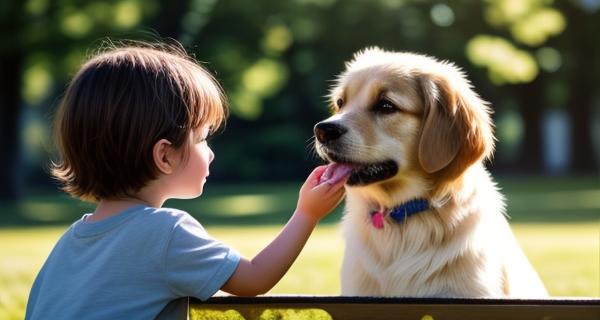
Potty Training Your Rescue Dog: A Step-by-Step Guide
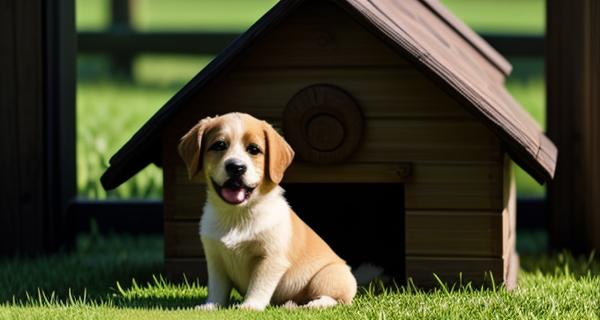
Potty Training
Potty training a rescue dog is one of the most compassionate yet challenging steps toward building trust and securing a forever home. When you take in a rescued pup—often with unknown pasts and varying levels of socialization—consistent, patient potty training becomes the foundation for bonding and long term success. This step by step guide will walk you through proven strategies to help your new furry companion thrive indoors without stress or setbacks.
First, establish a routine that aligns with your dog’s natural rhythms. Rescue dogs often benefit from structured schedules—feeding, walks, and potty breaks at the same times daily reinforce predictable habits. Keep a dedicated potty location outside, preferably near a quiet spot where distractions are minimal. Dogs connect action to place, so consistency turns each outing into a learning opportunity.
Watch for clear signs your dog needs to go: sniffing, circling, a sudden stillness, or scratching at the ground. Catch these cues early; rushing the process leads to accidents that break trust. Mark “go” clearly—use a consistent verbal cue like “go potty”—and immediately reward success with praise or a treat. Never punish mistakes; instead, refocus gently and resume walking calmly through the next potty stop.
House proofing your home means eliminating indoor accident risks. Crate training, when done right, supports potty control—use it as a safe zone but pair it with frequent outings to prevent regression. Remove loose items and secure small spaces where dogs might hide waste. For outdoor setups, clear the area before letting your dog off—clear grass or bare dirt signals the intended space.
Stay vigilant around timing: after meals, naps, waking, or play, always take your rescue outside immediately. Use positive reinforcement consistently—not just treats—but also energetic encouragement and affection—to strengthen the association between success and joy. Even setbacks are part of progress—remain patient, keep training calm, and celebrate every milestone.
Building trust is more powerful than perfect timing. Many rescued dogs carry anxiety or trauma; your patience becomes a lifeline. Speak softly, move slowly, and let them set pace. Over days and weeks, they’ll learn your voice, routine, and care—until potty training turns from effort into affection in motion.
For every dog that eventually masters the basics, remember: you’re not just teaching a lesson—you’re rebuilding confidence, creating safety, and opening hearts. With consistent, loving effort, **potty training a rescue dog** transforms into shared victory—and a bond built on trust, one little step at a time. Whether your pup is recovering from neglect or still finding their footing, these steps open doors to joy, freedom, and lasting belonging—starting with those first, perfect potty lessons.
Rescue Dog
Potty Training Your Rescue Dog
A Step by Step Guide
Bringing home a rescue dog is one of life’s most rewarding journeys—but it comes with unique challenges, especially when it comes to potty training a rescue dog. Many shelter pups come from uncertain backgrounds where routines were inconsistent or environments unpredictable, so patience, consistency, and empathy are more important than ever.
If you’re wondering, *how to potty train a rescue dog*, the key lies in understanding your new companion’s story. Most rescues carry invisible scars—fear, anxiety, or lack of prior training. Your goal isn’t just about teaching ‘where to go’; it’s about building trust and reducing stress so learning feels safe and natural.
**Start Small & Stick to Routine**
Establish a strict schedule—take your dog outside first thing in the morning, after meals, post playtime, and before bed. Rescue dogs thrive on predictability; regular intervals help reinforce muscle memory. Even if progress feels slow, consistency builds confidence.
**Choose a Designated Potty Spot**
Stick to one area outdoors—preferably a quiet corner away from heavy foot traffic or strong smells (which can confuse or scare your dog). Use verbal cues like “go potty” in a calm, positive tone each time. When they go, reward immediately with praise, a treat, or gentle affection—this strengthens the behavior through positive reinforcement.
**Watch for Signs & Clean Thoroughly**
Rescue dogs often mask discomfort or anxiety, so note subtle signs: sniffing, circling, or freezing. If you catch these early, gently guide your dog to the spot. Always clean messes with enzymatic cleaners to eliminate lingering scents—dogs return to areas they’ve previously “marked,” increasing inconsistency.
**Manage Setbacks with Grace**
Accidents happen—especially if stress spikes from new surroundings or past trauma. Avoid punishment; instead, stay calm and reset: take a breath, clean thoroughly, and focus on next opportunities. Every mistake is data, not failure.
**Patience is Power**
Every rescue dog’s timeline is unique—some learn in days, others need weeks. What matters most is creating a supportive environment where your new friend feels secure enough to trust the process. With kindness, repetition, and clear expectations, potty training a rescue dog becomes not just possible, but deeply rewarding.
Remember: you’re not just teaching commands—you’re building a bond rooted in respect, safety, and shared growth. Celebrate every small win, stay consistent, and you’ll soon see your rescue thriving with healthy habits—and a heart ready to love completely.
Step-by-Step Guide
Potty Training Your Rescue Dog: A Step by Step Guide
Bringing a rescue dog into your home is one of life’s most rewarding chapters—but it often comes with unique challenges, especially when it comes to potty training. Unlike puppies or pets raised in structured homes, rescued dogs may carry past uncertainties, inconsistent care, or unfamiliar routines that affect their ability to learn quickly. But with patience, consistency, and the right approach, potty training a rescue dog becomes not just doable—it becomes a powerful step toward building trust and a strong bond.
This Step by Step Guide is tailored for compassionate pet parents ready to transform uncertainty into reliability through effective potty training a rescue dog. We’ll break down the process with clear, kind instructions grounded in real world wisdom and behavioral science—making it easy to follow while respecting your dog’s individual journey.
**1. Create a Predictable Routine**
Rescue dogs thrive on consistency. Establish set times for feeding, play, walks, and potty breaks—especially right after waking up, eating, or napping. Rescue pups often lack structure due to unpredictable past environments; your routine offers stability they desperately need. Aim for 4–6 potty breaks daily during active hours to reinforce learning and reduce accidents indoors.
**2. Establish a Designated Potty Zone**
Pick a specific outdoor spot—ideally far from windows or busy paths—to help your dog form clear associations: “This is where we go.” Take them there immediately after meals, naps, or play sessions. Consistently using the same spot accelerates cognitive learning and builds confidence in recognizing cues.
**3. Watch for Subtle Cues**
Every rescue dog communicates subtly—tail flicks, sniffing patterns, a sudden pause in sniffing. These signs mean they need to go. Pair these behaviors with calm verbal encouragement like “Go potty” to create positive associations. Reward immediately with praise, treats, or gentle affection; timing is everything to strengthen learning.
**4. Manage Setbacks With Compassion**
Accidents happen—don’t punish. Calmly redirect without frustration: simply say “Not here” and quietly lead them outside to the designated spot. If setbacks persist, check for health issues like urinary tract infections or digestive sensitivities—some behavior changes stem from discomfort. Pair any accident with patience, not blame, and refocus on positive reinforcement daily.
**5. Gradually Extend Freedom with Confidence**
Once your dog reliably uses the outdoors, slowly give them more freedom—still using consistent rewards at the door to mark success. Avoid overwhelming transitions; move forward only when they show reliability, ensuring potty training a rescue dog becomes sustainable long term.
Remember, every dog learns at their own pace. Celebrate tiny wins: sitting calmly outside for five minutes, sniffing without hesitation—each step builds momentum. Your patience doesn’t just teach biology; it rebuilds trust, showing a previously abandoned pup they’re seen, valued, and ready to grow together.
With empathy driven steps and unwavering consistency, potty training a rescue dog transforms from a hurdle into a powerful expression of care—connecting you deeper while giving your new companion the foundation of respect and routine they deserve.
Dog House Training
Potty training your rescue dog is one of the most rewarding journeys in building trust and connection—but it can also feel daunting without the right guidance. At Dog House Training, we believe that every dog deserves a clean home, clear boundaries, and confidence after trauma. This step by step guide breaks down how to potty train your rescue dog with patience, consistency, and compassion.
First, set the stage for success by preparing your space. Create a predictable routine that aligns with natural rhythms—most dogs thrive on scheduled feedings and bathroom breaks every 1–2 hours, especially in the early stages. Rescue pets often carry past stress or inconsistent care, so structure provides calm stability. Choose a designated potty area outside, preferably near the same spot each time—dogs rely heavily on scent memory to orient themselves.
Next, observe your dog closely for signs: sniffing the ground, circling, or pawing at the floor signal readiness. Immediately take them to their cleanup zone when these cues appear—positive association is key. If accidents happen indoors, resist frustration; instead, clean thoroughly with enzymatic sprays to eliminate odors and prevent repeat incidents. Never punish mistakes—this damages trust and reverses progress.
Use verbal praise or a clicker as immediate reinforcement when your dog eliminates appropriately outside. Keep rewards consistent: high value treats or affection strengthen desired behavior faster than food alone. Remember, potty training a rescue dog isn’t just about biology—it’s about healing through routine, respect, and love.
Managing expectations is crucial. Some dogs grasp the concept in days; others take weeks. Patience beats pressure. Watch for emotional signals: fear or anxiety may manifest as regression. If setbacks happen, reset without shame—instead of increasing punishment, return to basics with calm encouragement. Socializing during outdoor sessions builds confidence but only when your dog feels safe and ready.
Consider consulting a professional trainer who specializes in rescue behavioral cues. At Dog House Training, we combine science backed techniques with empathy, ensuring humane, effective strategies tailored to each dog’s unique history. Small wins matter—celebrate each successful potty outside as a milestone toward full trust.
Remember: your rescue isn’t just learning new habits—they’re learning to believe in second chances. With consistency, kindness, and a structured yet flexible approach, potty training becomes more than training; it’s proof of how love transforms lives, one calm visit to the door every day.